Official Website  ·  Established 1986  ·  Sisauli, Muzaffarnagar

Har Khet Ko Paani, Har Haath Ko Kaam

अन्नदाता की आवाज़ — भारतीय किसान यूनियन

Bharatiya Kisan Union (BKU) is India's enduring grassroots farmers' organisation. Born in the fields of western Uttar Pradesh and reorganised under Chaudhary Mahendra Singh Tikait at Sisauli in 1986, BKU has represented the agrarian voice of this nation for four decades — fighting for fair prices, dignity, and justice.

40+ Years of Advocacy
20+ States Covered
1986 Reorganised at Sisauli
2020–21 Historic Farm Laws Protest
About the Organisation

The Voice of India's Annadata

The Bharatiya Kisan Union (BKU) is India's premier non-political, grassroots farmers' representative organisation. It is not an NGO or a political party, but rather a mass agrarian movement dedicated to advocating for farmer rights, securing fair crop prices, and protecting agricultural livelihoods. It derives its authority directly from the millions of farming households who stand with it.

Reorganised under the decisive leadership of Chaudhary Mahendra Singh Tikait at Sisauli, Muzaffarnagar in 1986, BKU built a model of farmer representation that was non-partisan and agrarian-first: focused on crop prices, electricity costs, canal water, debt relief, and the daily indignities faced by those who feed the nation. The mahapanchayat — the great assembly of farmers — became BKU's instrument of democratic pressure.

For four decades, BKU has raised its voice on the issues that actually affect the farmer's life — from the delay in sugarcane payments by mills, to the absence of a legally binding Minimum Support Price, to the crushing weight of institutional debt. It has done so peacefully, persistently, and with extraordinary mobilising power that few organisations in independent India have matched.

MSP Guarantee
Legal, binding minimum prices for all crops covering full production cost
Debt Relief
Comprehensive farm loan waivers to free farmers from chronic indebtedness
Power Tariff
Subsidised or free electricity for irrigation and agricultural operations
Water Rights
Equitable canal water distribution and restoration of irrigation infrastructure

"The farmer is not a vote bank. The farmer is the foundation of this nation. When he rises, India rises. When he suffers in silence, no one is truly safe."

Organisation — At a Glance
40+ Years of continuous farmer advocacy
1986 Year reorganised at Sisauli under M.S. Tikait
20+ States with active BKU presence
UP Primary base in western Uttar Pradesh
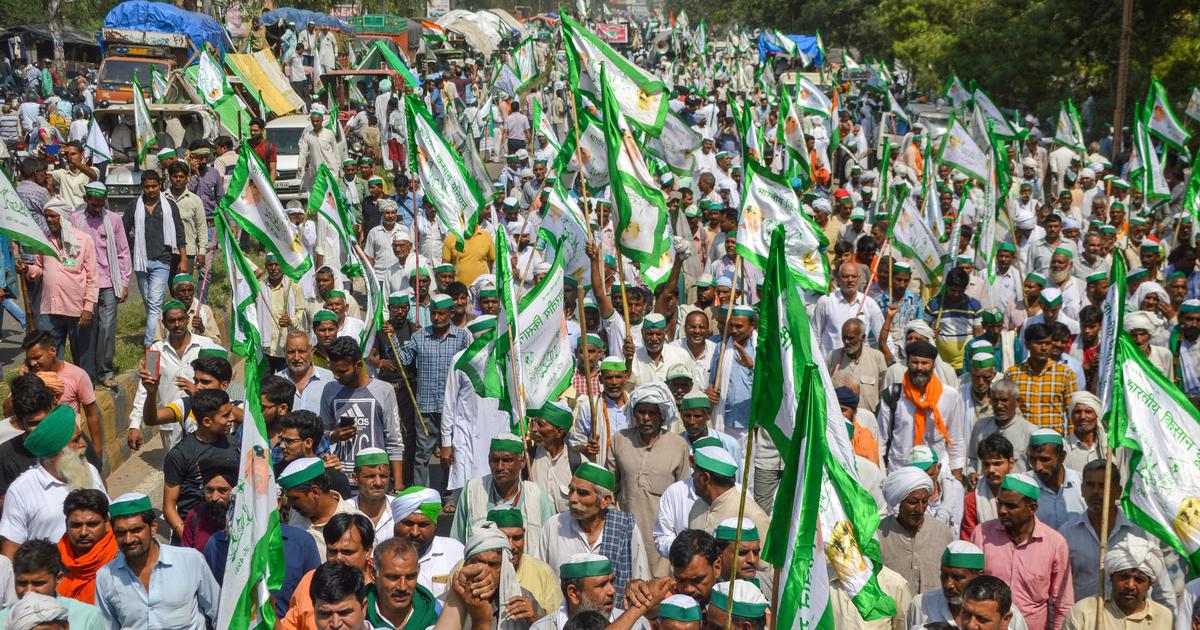
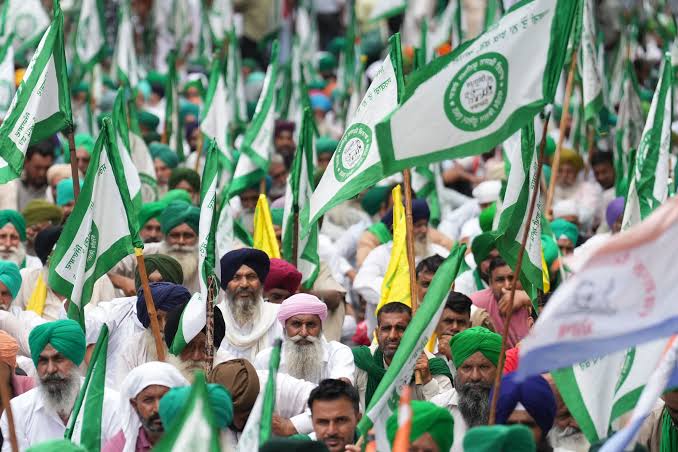
Massive BKU farmer rally — thousands of farmers with green flags assembled in an open field
BKU mahapanchayat — representative archival image of farmer assembly
MSP Sugarcane SAP Loan Waiver Power Tariff Irrigation Land Rights
Movement History

Five Decades of Farmer Struggle

From the first stirrings of farmer consciousness in Punjab in the early 1970s to a nationally recognised organisation that compelled the repeal of three farm laws in 2021 — BKU's history is a record of organised, dignified, and persistent agrarian assertion.

Early 1970s

The First Stirrings: Punjab Khetibari Union

Organised farmer unionism in northern India began taking shape in the early 1970s, with agricultural communities in Punjab asserting demands around crop prices and rural infrastructure. The Punjab Khetibari Union became an early organisational model for what would later evolve into a broader farmers' movement across the Hindi heartland.

Late 1970s

Farmer Consciousness in the Sugarcane Belt

In western Uttar Pradesh's sugarcane districts — Muzaffarnagar, Meerut, Baghpat, Bijnor — farmers faced systematic problems: delayed mill payments, inadequate electricity, and neglected canal water distribution. Community leaders began calling for organised farmer representation. Village panchayats became the seedbed for future mobilisation under what would become BKU.

1980

All-India Farmer Consolidation Phase

The early 1980s saw rising farmer consciousness across multiple states. Bharatiya Kisan Union emerged as a framework for cross-regional farmer identity — seeking to transcend caste, region, and party affiliation to focus on agrarian economic questions: procurement prices, power supply, water rights, and debt. The framework unified farmer voices that had previously been dispersed.

1986–87

Mahendra Singh Tikait Reorganises BKU at Sisauli

Under the leadership of Chaudhary Mahendra Singh Tikait, BKU was decisively reorganised with its headquarters at Sisauli village in Muzaffarnagar. Tikait gave the organisation a distinct identity: non-partisan, caste-neutral, and centred on the farmer's economic interests. His use of the mahapanchayat — the mass village assembly — as the primary instrument of democratic pressure transformed BKU into a movement with genuine mass reach across western UP.

1988

Meerut Agitation: Mass Farmer Power Asserted

Mahendra Singh Tikait led one of the largest farmer gatherings in post-independence Indian history at Meerut, with hundreds of thousands of farmers assembled over multiple days demanding power tariff reductions and fair sugarcane pricing. The agitation forced the state government into direct negotiations and established BKU as a formidable political force at the national level.

1988

Boat Club Dharna: Farmers March on Delhi

BKU's most iconic agitation came when Tikait led lakhs of farmers to Delhi's Boat Club on the Yamuna's banks. Farmers camped at the heart of India's power corridor for several days — with cattle, open fires, and their families — presenting a moral claim to Delhi's conscience that shook the political establishment. The image of a mass of tillers at the seat of government became one of independent India's defining agrarian moments.

1990s

Expansion and New Challenges: Liberalisation Era

Through the 1990s, BKU expanded its presence to Haryana, Punjab, Rajasthan, and parts of central India while navigating the new pressures of economic liberalisation — rising input costs, entry of corporate buyers into agricultural markets, and the first wave of widespread farmer debt. BKU adapted its demands to address these structural changes while maintaining its grassroots mobilisation model.

May 15, 2011

Passing of Mahendra Singh Tikait — Legacy Entrusted

Chaudhary Mahendra Singh Tikait passed away on May 15, 2011. His sons Naresh Tikait and Rakesh Tikait inherited the mantle of leadership. Naresh Tikait became BKU's National President; Rakesh Tikait took on the role of National Spokesperson. The movement's headquarers remained at Sisauli — the village that Tikait had made synonymous with farmer assertion.

2020–21

The Great Farmers' Protest: History Echoes at Delhi's Borders

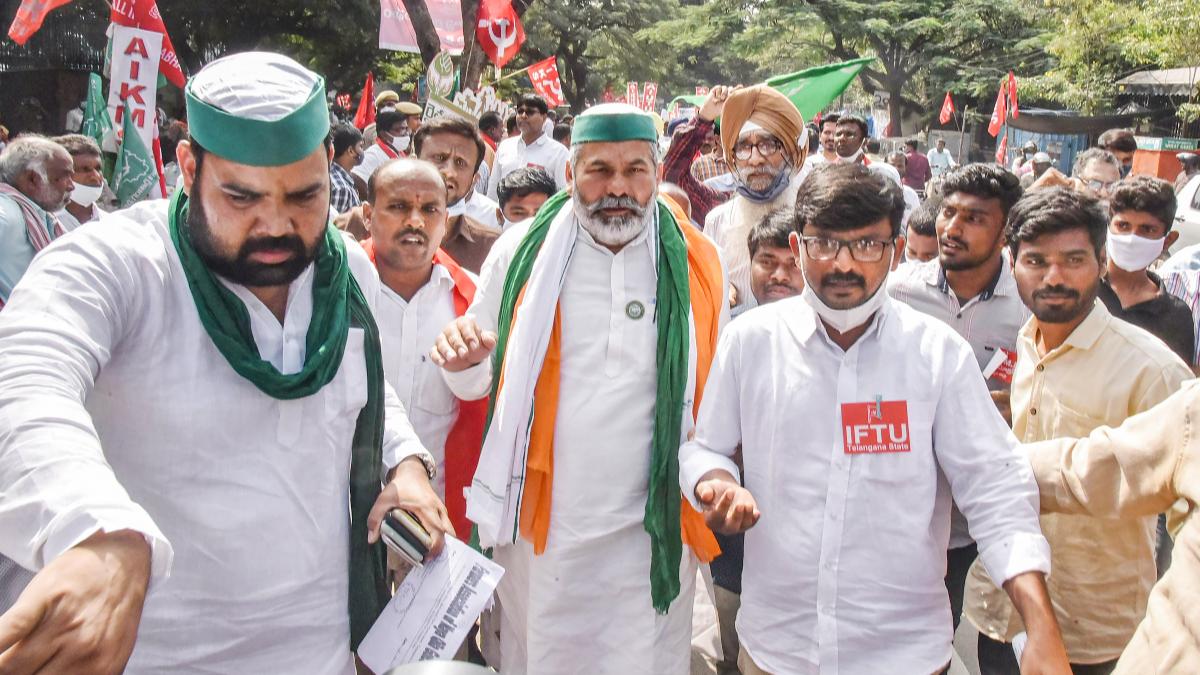
When the central government passed three contentious farm laws in September 2020, BKU joined a historic coalition of farmer unions at Delhi's borders. BKU's Rakesh Tikait anchored the Ghazipur border. In January 2021, his emotional and defiant public address — broadcast live — reinvigorated the protest at a critical moment, drawing farmers from across the region through the night. Eleven months later, in November 2021, the three farm laws were repealed.

2022–Present

Continuing Campaign: MSP Guarantee and Agrarian Reforms

Following the farm law repeal, BKU continues to press for the government's unfulfilled commitment to a legal guarantee on MSP for all crops, along with sustained campaigns on sugarcane SAP settlements, complete farm loan waivers, electricity tariff relief, and expanded procurement infrastructure. The organisation maintains its structure of district and village committees across multiple states.

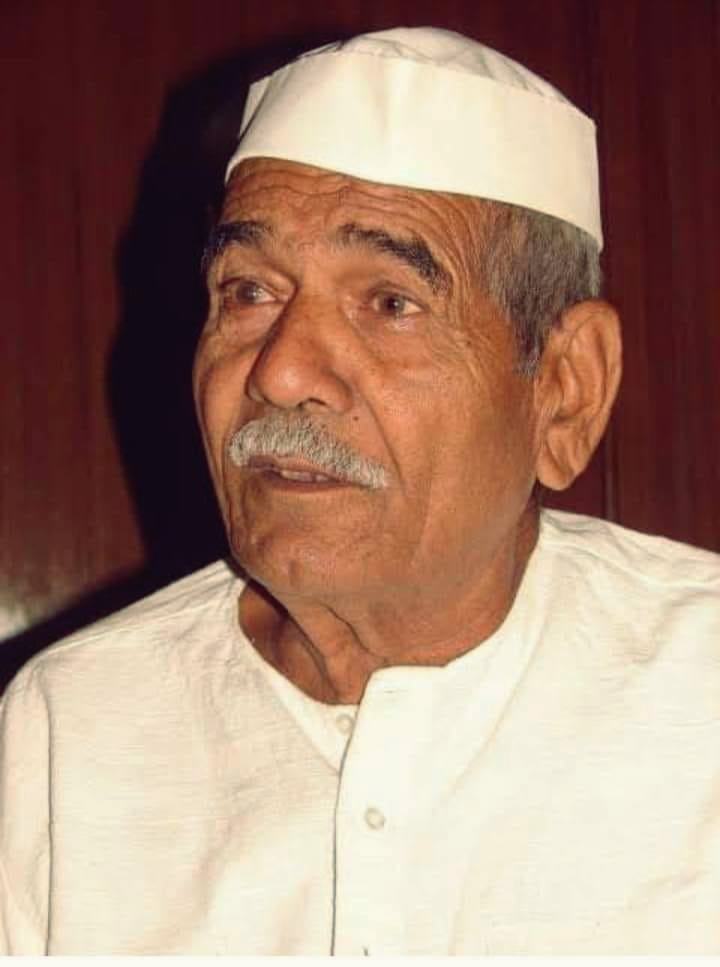
Chaudhary Mahendra Singh Tikait — BKU founder leader, photographed in Sisauli

Chaudhary Mahendra Singh Tikait, 1935–2011 · Founder Leader, BKU · Sisauli, Muzaffarnagar

1935–2011 Years of Life
Foundational Legacy

Chaudhary Mahendra Singh Tikait

Chaudhary Mahendra Singh Tikait (1935–2011) was not simply a farmer union leader — he was the defining figure of agrarian politics in post-independence northern India. Born in the village of Sisauli in Muzaffarnagar district, he grew up among the sugarcane farmers of the Doab — and he never left their world, even as his influence grew to national scale.

Tikait built BKU on a principle that was radical in its simplicity: the farmer's grievances are not political — they are economic and moral. He refused the patronage of political parties, resisted being absorbed into electoral politics, and insisted on the independence of the farmers' platform. His authority came not from office or position but from trust — the trust of millions of cultivators who knew he understood their lives from the inside.

His organisational genius lay in the mahapanchayat — the great farmers' assembly — which he institutionalised as a form of rural democracy, mobilisation, and collective resolve. At Meerut in 1988 and at the Boat Club in Delhi in the same year, he demonstrated that the organised farming community could, peacefully and powerfully, speak terms to the state. These moments remain landmarks in the history of agrarian assertion in India.

"Kisaan ki do jaat hoti hai — ameer aur gareeb. Aur dono ko ek hona hoga."

(There are only two categories of farmers — rich and poor. And both must stand together.)

— Chaudhary Mahendra Singh Tikait
1935
Born, Sisauli, Muzaffarnagar, Uttar Pradesh
1986–87
Reorganised BKU; established headquarters at Sisauli
1988
Led historic Meerut agitation — largest farmer rally of its era
1988
Boat Club dharna — farmers occupy Delhi's centre for days
1990s
Expanded BKU presence across multiple Indian states
May 15, 2011
Passed away; legacy carried forward by Naresh & Rakesh Tikait
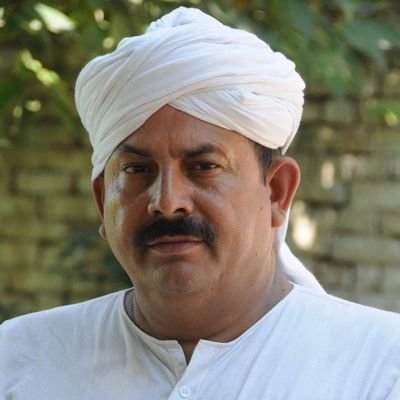
National Spokesperson — Bharatiya Kisan Union

Rakesh Tikait

National Spokesperson, BKU  ·  bku.org.in

Rakesh Singh Tikait is the National Spokesperson of Bharatiya Kisan Union and the most recognised public face of the organisation. He was born in Sisauli, Muzaffarnagar — the same village from which his father Chaudhary Mahendra Singh Tikait built BKU into a national farmer force. Rakesh Tikait grew up watching his father transform rural grievance into organised, principled, and effective political pressure.

Before committing fully to the farmers' movement, Rakesh Tikait served in the Delhi Police — a career that gave him a practical understanding of the state and its institutions, which he would later engage as an adversary, a negotiating partner, and a platform for raising farmer concerns. He joined BKU's active leadership following his father's death in 2011 and steadily became its most prominent public voice.

His most significant national moment came during the 2020–21 farmers' protest at the Ghazipur border. On January 28, 2021, as the protest appeared to be on the verge of collapse in the aftermath of the events of January 26, Tikait's tearful, unscripted, and defiant address — broadcast live — changed the course of the agitation. Farmers from across western Uttar Pradesh drove through the night to stand at Ghazipur. The protest was revived, sustained for nearly a year, and ultimately resulted in the repeal of all three farm laws in November 2021.

Rakesh Tikait continues to travel across India conducting kisan panchayats, raising farmer issues in public discourse, and maintaining BKU as a consistent, long-term advocate for agrarian justice. He is widely respected for placing the movement above personal political ambition — a quality that connects him deeply to BKU's founding ethos.

Born
Sisauli, Muzaffarnagar, UP
Father
Ch. Mahendra Singh Tikait (BKU Founder)
Prior Career
Delhi Police Service
Role in BKU
National Spokesperson
Key Agitation
Ghazipur Border Protest, 2020–21
Current Demand
Legal MSP Guarantee for All Crops

Major Campaigns & Contributions

  • Ghazipur Border Protest Leadership (2020–21) — Anchored BKU's year-long sit-in against three farm laws; his January 2021 address is widely credited with reviving the protest at its most critical juncture.
  • MSP Legal Guarantee Campaign — Leading BKU's sustained demand for a statutory minimum price framework covering all crops at cost-plus-profit basis.
  • Sugarcane SAP Dues — Consistent pressure on sugar mills and UP government for timely clearance of State Advised Price (SAP) payments to cane farmers.
  • National Kisan Panchayat Series — Grassroots outreach across multiple states, building district-level farmer networks and channelling local grievances to the national platform.
Contact BKU Farmer Issues
Rakesh Tikait — National Spokesperson, Bharatiya Kisan Union

"Jab tak kisan zinda hai, tab tak andolan zinda hai."

As long as the farmer lives, the movement lives. — Rakesh Tikait
BKU's Agenda

The Issues We Fight For

BKU's demands are not slogans — they are the lived realities of millions of farmers who face these crises every season. Each issue listed here represents years of documented farmer distress and sustained advocacy.

Electricity Tariff & Free Power
Subsidised or free electricity for irrigation tube-wells; opposition to arbitrary tariff hikes on agricultural connections.
Canal Water & Irrigation Rights
Equitable distribution of canal water, restoration of irrigation channels, and protection of farmers' water entitlements.
Procurement & Market Access
Expansion of government procurement centres so farmers can sell at MSP without being forced into distress sales to private traders.
Land Rights & Acquisition
Opposition to arbitrary land acquisition without fair compensation and farmer consent; legal protection of agricultural land.
Farmer Health & Social Security
Demand for universal health coverage, accidental insurance, and pension schemes specifically structured for agricultural workers.
Farmer Representation in Policy
Institutionalised farmer voice in agricultural price-setting bodies, parliamentary committees, and state-level agricultural planning.
Leadership & Structure

BKU Leadership & Organisation

BKU draws its strength from democratic, grassroots structure — from village committees to national leadership. Every level of the organisation is accountable to the farming community it serves. The following represents BKU's publicly known national leadership as identified in public records.

Naresh Tikait — National President, Bharatiya Kisan Union
National President

Naresh Tikait

National President, Bharatiya Kisan Union

Elder son of BKU founder Chaudhary Mahendra Singh Tikait. Naresh Tikait serves as National President of Bharatiya Kisan Union, maintaining the organisation's continuity, structure, and principles from its headquarters at Sisauli, Muzaffarnagar.

Rakesh Tikait — National Spokesperson, Bharatiya Kisan Union
National Spokesperson

Rakesh Tikait

National Spokesperson, Bharatiya Kisan Union

Younger son of BKU founder, national spokesperson and public face of BKU. Led BKU's presence at the Ghazipur border during the 2020–21 farmers' protest. Former Delhi Police personnel turned farmer movement leader. Based at Sisauli, Muzaffarnagar.

Senior Leader

Yudhvir Singh

National General Secretary, BKU

Legal Division

BKU Legal Cell

Farmer legal support — land, mill disputes & protest cases

District Network

State & District Units

Active committees across multiple states — update with verified district-level data

State & Regional Presence

Uttar Pradesh
Uttarakhand
Haryana
Punjab
Rajasthan
Madhya Pradesh
Maharashtra
Bihar
Jharkhand
Delhi NCR
Gujarat
Karnataka

Additional state and district committees exist across India — update this section with verified current data before publishing.

Annadata Sukhee Bhava — Let the Farmer Prosper

Every farmer's voice strengthens the movement. Join BKU and stand for agrarian justice.

Press & Statements

News & Media Centre

All Releases
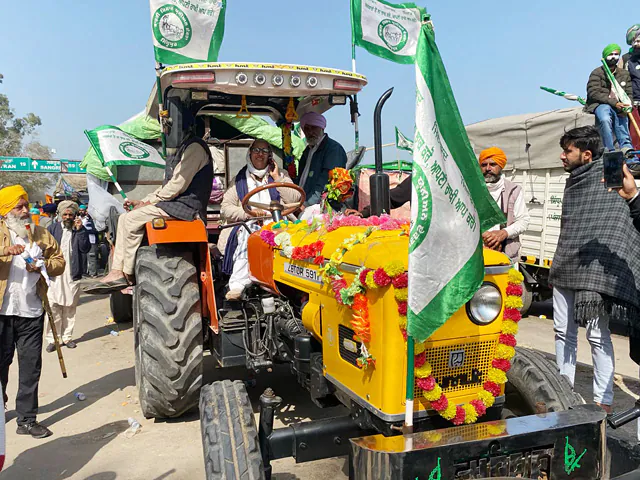
BKU tractor march on national highway — farmers from western UP mobilising in support of MSP demand
Press Release June 28, 2026

BKU Announces National Kisan Mahapanchayat at Sisauli — August 2026; Renews MSP Law Demand and Calls for Sugar Mill SAP Settlement

Bharatiya Kisan Union has announced a national Kisan Mahapanchayat at its headquarters in Sisauli, Muzaffarnagar on August 14–15, 2026. National Spokesperson Rakesh Tikait confirmed the assembly will bring together representatives from across the country to renew the demand for a legally binding MSP guarantee and press for the settlement of pending sugarcane SAP dues from mills across western Uttar Pradesh.

Read Full Release
BKU farmer rally
Statement June 20, 2026

Tikait Warns of District-Level Blockades if Sugar Mill SAP Dues Unpaid Within 30 Days

BKU village panchayat
Event June 12, 2026

Kisan Panchayat Series Continues: New District Committees Formed in Jharkhand and Bihar

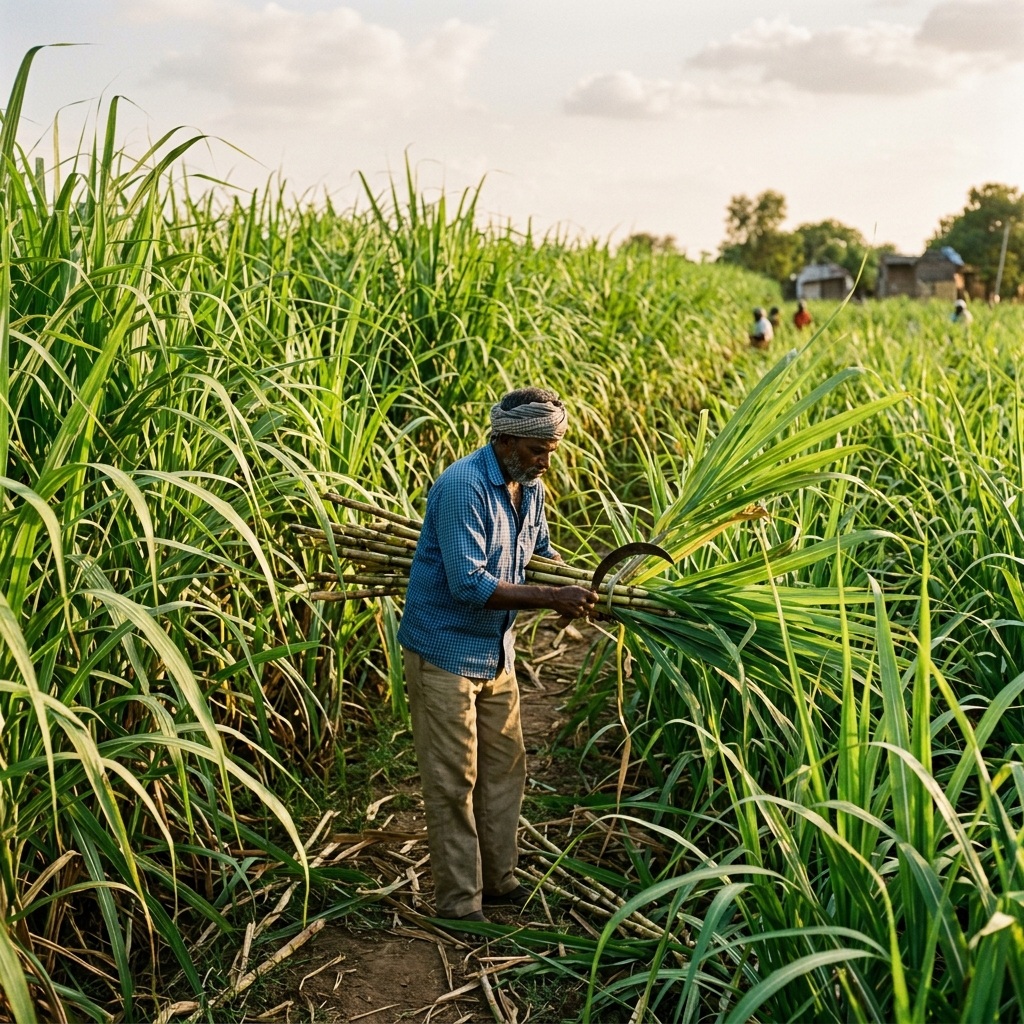
Sugarcane fields UP
Policy May 30, 2026

BKU Submits MSP Legal Framework Memorandum to Prime Minister's Office

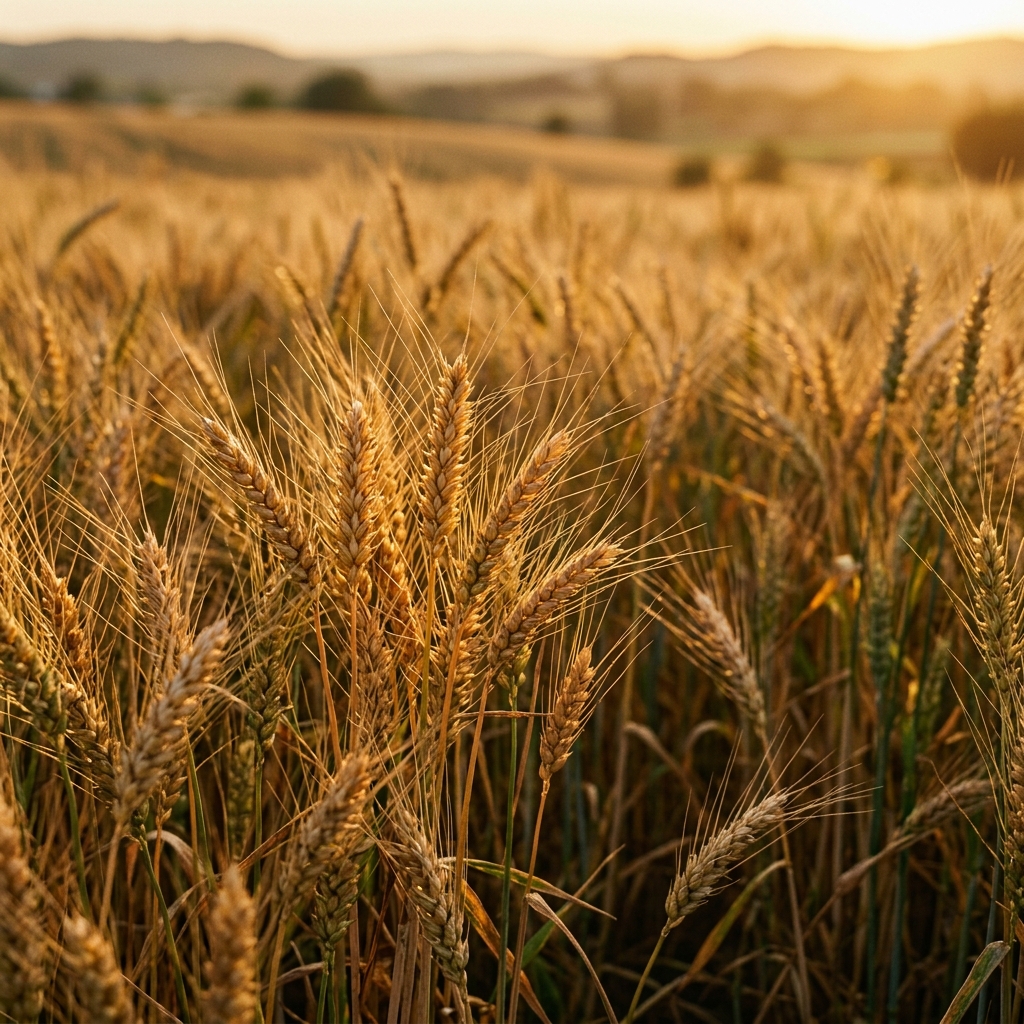
Wheat fields North India
Analysis May 18, 2026

BKU Field Report: Income Doubling Target and Ground Reality — District Data Analysis

BKU Coverage In

Farmers' Voice

What the Annadata Says

The following accounts are representative of farmer experiences gathered by BKU's field workers. Names and districts are illustrative. Replace with verified case studies before publication.

Sugarcane Farmer

"BKU ne humari awaaz ko ek disha di. Jab mill wale mahine tak paisa nahi de rahe the, BKU ke dharna ke baad 15 din mein bhugtan ho gaya." (BKU gave direction to our voice. When the mill refused to pay for months, after BKU's dharna the payment came within 15 days.)

[Name withheld on request]
Sugarcane farmer, Muzaffarnagar district, UP
Wheat Farmer

"I sat at Ghazipur for over 200 days. My family thought I was wasting my time. But when I came back, the laws were gone. I never felt so proud in my life. BKU gave me that dignity — the feeling that my presence matters in this country."

[Name withheld on request]
Wheat farmer, Baghpat district, UP
Small Farmer

"Mere khet ke kaagaz galat the. Patwari se koi nahi sunta tha. BKU ki tehsil committee ne mamla uthaya, aur kaagaz theek ho gaye. Mujhe pehli baar laga ki koi hai jo sunta hai." (My land records were incorrect. No official listened. BKU's tehsil committee raised the issue, and the records were corrected. First time I felt someone was listening.)

[Name withheld on request]
Small farmer, Shamli district, UP
Common Questions

Frequently Asked Questions

Learn more about the Bharatiya Kisan Union, our mission, and our ongoing advocacy for India's farmers.

What is the Bharatiya Kisan Union (BKU)?

The Bharatiya Kisan Union (BKU) is India's prominent non-political grassroots farmers' organisation, dedicated to advocating for agrarian rights, securing fair crop prices, and protecting farmer livelihoods. Founded under the leadership of Chaudhary Mahendra Singh Tikait in 1986, it remains a powerful voice for rural India.

Who is the current leader of BKU?

Chaudhary Naresh Tikait serves as the National President, while Chaudhary Rakesh Tikait serves as the National Spokesperson of the Bharatiya Kisan Union. Together, they lead the organization's campaigns across the country.

Where is the headquarters of BKU located?

The headquarters of the Bharatiya Kisan Union, known as the Kisan Bhawan, is located in the town of Sisauli in the Muzaffarnagar district of Uttar Pradesh.

What are the primary demands of BKU?

BKU's primary demands consistently include a legally guaranteed Minimum Support Price (MSP) for all crops based on the Swaminathan Commission formula, timely payment of sugarcane dues, debt relief for farmers, lower input costs, and opposition to anti-farmer corporate policies.

Get in Touch

Contact BKU & Join the Movement

Whether you are a farmer seeking support, a journalist seeking a statement, a researcher studying agrarian India, or a citizen who believes in the farmer's cause — BKU's doors are open at Sisauli and through its state and district network.

National Headquarters
Bharatiya Kisan Union (BKU)
Tikait Peeth, Sisauli
Muzaffarnagar — 251315
Uttar Pradesh, India
Official Website
Media & Press Queries
media@bku.org.in
Response within 24 working hours
General Correspondence

Find Your District Unit

BKU maintains active district and tehsil committees across multiple states. Write to info@bku.org.in with your district name to be connected to your nearest unit for farmer support, legal assistance, or membership.

District Inquiry

Send Us a Message